
If you are currently sitting at your desk with a gallon-sized plastic jug that has motivational timestamps like "Keep Chugging!" and "Almost There!", we need to have a gentle intervention. While your dedication to the "eight glasses a day" rule is admirable, your brain might actually be parched.
The reality is that hydration is not a volume game; it is a transportation game. If the water you drink stays in your gastrointestinal tract or moves straight to your bladder without ever entering your cells, you aren't hydrating. You are just filtering water. This is the "Hydration Paradox," and for high-performers, it is the hidden culprit behind afternoon brain fog, sluggish reaction times, and that annoying "sloshy" feeling in the stomach.
Beyond Simple Ingestion
To understand why your current habits might be failing, we have to look at the gatekeeper of your energy: the cell membrane. Water enters the cell through specialized proteins called aquaporins. Discovered by Peter Agre (who won a Nobel Prize for this), these channels are the "plumbing system" of the cell. However, water does not just walk through the front door because it feels like it. It requires a specific concentration of solutes, primarily electrolytes, to create the osmotic pressure needed to "pull" water inside.
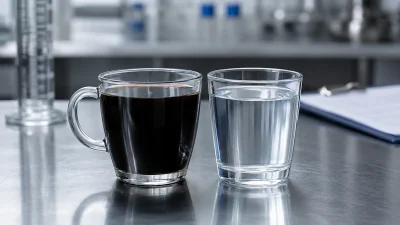
Alkaline vs. Distilled Water: When to Use Which and Why It Actually Matters
When you "chug" large amounts of plain, purified water, you are essentially diluting the sodium and mineral levels in your blood. This triggers the kidneys to flush out the excess to maintain a delicate balance known as homeostasis. The result? You spend your day running to the restroom while your cells remain chemically thirsty. This phenomenon can lead to a mild form of hyponatremia, where low extracellular sodium levels prevent your neurons from firing at peak velocity.
Your Brain on Osmosis
The brain is approximately 75% water, and even a 2% drop in hydration can lead to significant cognitive impairment. Research published by the National Institutes of Health suggests that hydration status directly impacts executive function and attention.
When your osmotic pressure is off, your brain cells (neurons) can physically shrink. This shrinkage puts mechanical stress on the cells and disrupts the delicate balance of neurotransmitter transport. If you have ever felt that "mental static" around 3:00 PM, it is likely not a caffeine deficiency; it is an intracellular fluid crisis. A study from the University of Connecticut’s Human Performance Laboratory found that even mild dehydration can adversely affect mood, energy levels, and the ability to think clearly. This suggests that "pushing through" with more coffee is often the exact opposite of what your brain requires.
The Role of the Sodium-Potassium Pump
At the heart of every thought you have is the sodium-potassium pump. This is a biological battery that requires specific mineral ratios to function. Sodium hangs out outside the cell, while potassium stays inside. The pump swaps them back and forth to create an electrical charge.
If you are "over-hydrating" with distilled or reverse-osmosis water that lacks these minerals, you are essentially trying to run a Tesla with a dying battery. To maintain high cognitive speed, your hydration strategy must include the "spark plugs" of the cellular world: electrolytes. Without these ions, the electrical gradient of your cell membranes diminishes, leading to slower neural signaling and physical fatigue.
Structured Water
While it sounds a bit like science fiction, the concept of "structured water" (or EZ water) is gaining traction in performance circles. Dr. Gerald Pollack’s research at the University of Washington suggests that water near biological surfaces organizes into a hexagonal lattice. This structured water is more easily recognized and utilized by human cells because it carries a negative charge, acting like a reservoir of energy for your mitochondria.
While you don't need a $5,000 vortex machine to get results, you can "structure" your hydration naturally by consuming water that contains natural trace minerals or by eating "gel water" found in cucumbers, chia seeds, and berries. These sources provide water in a matrix of fiber and minerals, slowing down absorption and ensuring the fluid actually makes it into your mitochondria. This is the difference between a flash flood (chugging) and a steady, nourishing irrigation system (structured hydration).
The Bioavailability of Different Water Sources
Not all water is created equal. If you are drinking tap water, you are often dealing with chlorine and fluoride, which can disrupt the delicate gut microbiome—the very place where much of your water absorption begins. On the other hand, distilled water is often "hungry" water; because it has been stripped of all minerals, it can actually leach minerals from your body as it passes through.
We recommend focusing on spring water or mineral-rich artesian water. These sources have spent years filtering through rock layers, picking up silica, calcium, and magnesium along the way. These minerals aren't just additives; they are instructions that tell your body how to use the water. When water is mineralized, it has a lower surface tension, making it more "slippery" and easier for those aquaporins to pull into the cell.
The DIY Cellular Blueprint: How to Hydrate for Performance
If you want to move from "filtering water" to "absorbing energy," follow these evidence-based steps:
-
The Morning Mineral Flush: Start your day with 16 ounces of room-temperature water, a pinch of high-quality sea salt (like Celtic or Himalayan), and a squeeze of lemon. The salt provides the electrolytes needed to pull that water into your cells after a night of respiratory fluid loss.
-
Trace Mineral Integration: Most modern tap and bottled water is "dead" water. Adding trace mineral drops—specifically those containing magnesium, chloride, and boron—can restore the water's natural conductivity.
-
Eat Your Water: Incorporate high-water-volume foods. The water in a piece of watermelon or a cucumber is packaged with electrolytes and phytonutrients that aid in bioavailability. Nature rarely provides water in a vacuum; it provides it in a complex package of nutrients.
-
The "Sip, Don't Chug" Rule: Your body can only process about 200ml to 300ml of water every 20 minutes. Chugging a liter at once is a surefire way to trigger a "flush" response rather than a "hydrate" response. It creates a sudden drop in blood osmolality, which tells your brain to signal the kidneys to get rid of the "excess" immediately.
Additives and Tools
At h2goals.com, we look at the data before the marketing. Not all "enhanced waters" are created equal. Many "sports drinks" are essentially liquid candy, loaded with high-fructose corn syrup that can actually cause further cellular dehydration through osmotic stress. High sugar content in the blood pulls water out of the cells to dilute the glucose, which is the exact opposite of our goal.
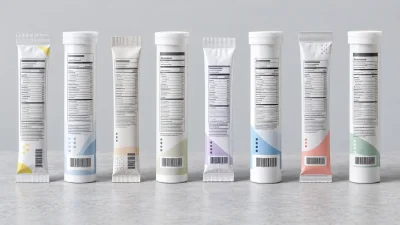
Look for products that prioritize magnesium malate and potassium citrate. Magnesium is particularly vital because it acts as a co-factor for the ATP (energy) production within your cells. Without magnesium, your water is just taking up space. Furthermore, consider the container. Drinking out of BPA-laden plastics can introduce endocrine disruptors that interfere with vasopressin, the hormone responsible for regulating water retention. Glass or high-grade stainless steel are the gold standards for the serious biohacker.
The Role of Fascia in Hydration
Recent studies in the field of biotensegrity suggest that our fascia—the connective tissue wrapping around our muscles and organs—acts as a massive water storage system. If your fascia is "glued" or dehydrated, it becomes brittle, leading to poor posture and restricted movement. Movement itself, particularly varied movement like yoga or mobility work, helps "squeeze" water into the fascial layers. This is why hydration and movement are two sides of the same coin. You cannot truly hydrate a sedentary body.
Hydration for Longevity and Skin Health
Beyond the brain, intracellular hydration is the ultimate "anti-aging" secret. When cells are fully hydrated, they maintain their volume and structural integrity. This is visible in skin elasticity and joint lubrication. Dehydrated joints are like car engines running without oil; eventually, the friction causes permanent damage. By focusing on the mineral-to-water ratio, you aren't just improving your focus today; you are protecting your structural health for decades to come.
Quality Over Quantity
In the quest for peak human performance, we often look for the newest supplement or the most expensive wearable. Yet, the most profound upgrade we can make is refining our most basic habit. By shifting your focus from "how much" you drink to "how well" you absorb, you are giving your brain the literal fluid intelligence it needs to excel.
The goal isn't to be a person who carries a massive water bottle everywhere; the goal is to be a person whose cells are vibrant, energized, and ready to fire. Stop chugging. Start mineralizing. Your cells—and your focus—will thank you.