In the pursuit of peak performance, we have seen it all. From wearing blue-light blockers at dinner to sitting in ice baths that make us question our life choices, the "marginal gains" industry is booming. But the latest trend isn't a wearable or a freezing tub; it is something as seemingly simple as a glass of water. Not just any water, though. We are talking about molecular hydrogen ($H_2$), the smallest molecule in the universe, now being touted as the ultimate biological antioxidant.
Is this the secret to crushing your PRs and waking up without feeling like you were hit by a freight train, or is it just the most expensive thirst-quencher on the market? Let’s look at the peer-reviewed evidence to separate the signal from the noise.
Visit Amazon.com for Molecular Hydrogen Water Deals.
The Science of the Smallest Molecule
To understand why $H_2$ is different from the stuff coming out of your kitchen tap, we have to look at its size. Because molecular hydrogen is so tiny, it possesses a unique ability to diffuse through cell membranes and enter the mitochondria and nucleus. While most antioxidants are like bulky security guards trying to fit through a narrow door, hydrogen is the elite ghost-protocol agent that walks right through the walls.
The primary mechanism of action is its role as a selective antioxidant. Unlike Vitamin C or E, which can sometimes neutralize "good" free radicals that the body needs for signaling, $H_2$ specifically targets the most toxic ones, such as the hydroxyl radical ($\cdot OH$). By neutralizing these, it reduces oxidative stress without interfering with the beneficial adaptations your body makes during a hard workout.
Athletic Performance and Lactate Thresholds
If you have ever felt that burning sensation in your quads during a final sprint, you are familiar with metabolic acidosis. Conventional wisdom blamed "lactic acid," but we now know it is a bit more complex. Interestingly, studies have shown that drinking hydrogen-rich water (HRW) can actually help manage this.
In a double-blind, placebo-controlled study published in Medical Gas Research, soccer players who consumed hydrogen water showed lower levels of blood lactate and reduced muscle fatigue compared to the control group. Essentially, the $H_2$ acted as a buffer, allowing the athletes to maintain a higher intensity for a longer duration. For the high-performance athlete, this isn't just a minor perk; it is the difference between a podium finish and the middle of the pack.
You can find the specific data on these athletic trials via the National Institutes of Health (NIH) [Source: NIH.gov - Effects of drinking hydrogen-rich water on muscle fatigue].
The Recovery Revolution
Delayed Onset Muscle Soreness (DOMS) is the price we pay for progress, but hydrogen water might offer a discount. Because it addresses the inflammatory response at the cellular level, many users report a significant drop in recovery time.
Research published in the Journal of Lifestyle Medicine suggests that $H_2$ can down-regulate pro-inflammatory cytokines. Instead of your body spending three days trying to "clean up" the damage from a heavy leg day, molecular hydrogen kickstarts the repair process faster. This means you can get back to the gym sooner, maintaining a higher training frequency over the long term.
Beyond the Gym
At H2 Goals, we know that performance isn't just physical. If your brain is foggy, your bench press doesn't really matter. The neuroprotective properties of $H_2$ are perhaps its most exciting "off-label" benefit. By reducing neuroinflammation, hydrogen water has been shown to improve mood and lower anxiety levels in clinical settings [Source: Nature.com - Hydrogen acts as a therapeutic antioxidant].
Think of it as a nootropic that also happens to keep you hydrated. When your mitochondria (the powerhouses of your cells) are functioning without the "sludge" of oxidative stress, you experience better focus, faster processing speeds, and a steadier stream of energy throughout the afternoon.
Portability vs. Potency
So, how do you actually get this stuff into your system? You can’t just blow bubbles into your water with a straw and expect results. There are three main ways to access molecular hydrogen:
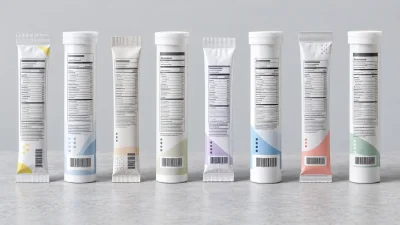
Hydrogen Tablets: These are often magnesium-based and react with water to create a high concentration of $H_2$ gas. They are the most potent but can have a slightly metallic taste.
Portable Hydrogen Generators: These sleek bottles use PEM (Proton Exchange Membrane) technology to electrolyze the water. They are convenient for the office but require regular cleaning to stay effective.
Pre-Packaged Aluminum Pouches: Since hydrogen is so small, it escapes through plastic. Aluminum is one of the few materials that can hold it in. These are great for on-the-go but are the least eco-friendly option.
If you are looking for evidence-based yoga education or anatomical precision in your recovery, combining hydrogen therapy with a mindful stretching routine can amplify the parasympathetic nervous system response, leading to even deeper recovery.
Is It Worth It?
While the term "hydrogen water" might sound like a marketing gimmick designed to separate you from your hard-earned cash, the clinical data tells a different story. It isn't a replacement for a solid diet and hard work, but as a performance-enhancing habit, it is remarkably low-risk and high-reward.
The key is consistency and concentration. If you are going to invest, ensure your source provides at least 1.6 ppm (parts per million) of dissolved hydrogen. Anything less, and you are just drinking very expensive, very regular water.
In the world of peak performance, we are always looking for the edge. With molecular hydrogen, that edge is exactly one molecule wide.