
Walk into any gym, grocery store, or gas station and you will find an entire wall dedicated to hydration products. Electrolyte powders, sports drinks, mineral waters, enhanced recovery beverages. Each one promises to do something that plain water supposedly cannot. But is any of it actually necessary, or is this an industry built on marketing more than science?
The honest answer is: it depends entirely on what your body is doing. Plain water is not inferior. Electrolytes are not a gimmick. The real question is whether you are giving your body the right tool for the situation it is actually in. This guide breaks down the science, cuts through the noise, and ends with a practical buyer's guide to help you spend your money wisely.
Electrolytes are minerals that carry an electrical charge when dissolved in fluid. Your body uses that charge to power some of its most essential functions: muscle contractions, nerve signal transmission, fluid balance regulation, and maintaining a stable blood pH. The primary electrolytes your body relies on are sodium, potassium, magnesium, calcium, and chloride.
Sodium is the most critical for hydration purposes. It acts as the gatekeeper for fluid balance, determining how much water your cells retain versus excrete. Without adequate sodium, water passes through your system quickly without being fully absorbed at the cellular level. This is why drinking large amounts of plain water without any sodium can actually leave you feeling bloated and still performing below your best.
Timing Your Water Intake for Deep Sleep and High Energy
Potassium works alongside sodium to regulate fluid both inside and outside your cells. Magnesium supports over 300 enzymatic processes in the body, including energy production and muscle recovery. Calcium is essential for muscle contraction. Together, these minerals form a system that plain water simply cannot replicate on its own when they have been significantly depleted.
For most people in most everyday situations, plain water does the job completely. If you are going about a normal workday, running errands, doing light activity, or sitting at a desk, your electrolyte losses are minimal and your diet is almost certainly replacing them between meals. A balanced diet that includes fruits, vegetables, whole grains, and moderate salt intake provides all the electrolyte replenishment the average sedentary or lightly active person needs.
Plain water is also the right choice for short, low-intensity workouts lasting under 45 to 60 minutes. During a 30-minute jog or a yoga session, your sweat losses are not dramatic enough to create a meaningful electrolyte deficit. Reaching for a sports drink in that context is unnecessary and often adds sugar and calories you do not need.
The same logic applies to casual daily hydration goals. Hitting your baseline water intake of around half your body weight in ounces? Plain water, ideally filtered, is the most efficient and cost-effective way to do it. Do not overcomplicate what does not need to be complicated.
The Cellular Osmosis Blueprint: Why Gulping Water is Failing Your Focus
The calculus shifts the moment sweat becomes a significant factor. Sweat is not just water. It carries sodium, potassium, magnesium, and chloride out of your body with every drop. The longer and harder you exercise, the more of those minerals you lose, and plain water cannot put them back.
Exercise lasting longer than 60 minutes
Once you cross the one-hour threshold, especially in moderate to high intensity training, electrolyte replacement becomes genuinely important. Research from the American College of Sports Medicine suggests that sodium losses during prolonged exercise can range from 500 to 1,500 milligrams per hour depending on individual sweat rate and environment. Replacing only the water without the sodium can lead to a dangerous condition called hyponatremia, or low blood sodium, which causes cramping, nausea, confusion, and in severe cases can be life-threatening.
Hot or humid conditions
Heat dramatically accelerates sweat rate. A workout that would produce modest fluid losses in a 65-degree gym can double or triple those losses in summer heat or a humid environment. If you are training outdoors in warm weather, working a physically demanding job in heat, or spending extended time in direct sun, electrolyte supplementation is not optional. It is protective.
After illness involving vomiting or diarrhea
Gastrointestinal illness causes rapid and significant electrolyte depletion. Plain water during illness recovery actively dilutes the remaining electrolytes in your system, making recovery slower. Oral rehydration solutions and electrolyte products are specifically designed for this scenario and are clinically supported for faster recovery.
Low-carbohydrate or ketogenic diets
When carbohydrate intake drops sharply, your kidneys begin excreting more sodium, which pulls water and other minerals along with it. People on ketogenic or very low-carb diets often experience the so-called keto flu, which is largely a sodium, potassium, and magnesium deficit. Intentional electrolyte supplementation is particularly important for this population even at rest.
Not all electrolytes are equally important in every scenario. Understanding what each one does helps you choose products that are actually matched to your needs.
Sodium is the one to prioritize during and after heavy sweating. It is lost in the highest concentration through sweat and has the most direct impact on fluid retention and performance optimization. Look for products that deliver at least 500 milligrams of sodium per serving for post-workout recovery or during endurance activity.
Potassium becomes important for preventing muscle cramping and supporting heart rhythm during extended exercise. The daily recommended intake is around 3,500 to 4,700 milligrams, and most people get a significant portion from food. Supplemental potassium in electrolyte products is most valuable after very long or intense training sessions when dietary intake may not keep pace.
Magnesium is the most commonly deficient mineral in the general adult population, and its role in recovery is underappreciated. It supports protein synthesis, reduces inflammation, promotes deeper sleep, and helps muscles fully relax after contraction. Low magnesium is directly linked to increased muscle soreness and slower recovery timelines. If you are an athlete or active person who is regularly sore or sleeping poorly, magnesium supplementation deserves serious attention.
The hydration product market is enormous and ranges from genuinely effective to aggressively over-marketed. Here is how to evaluate what you are buying:
What to look for
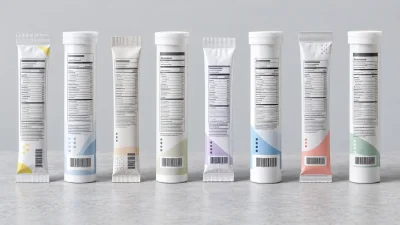
The best electrolyte products prioritize sodium content, typically 500 to 1,000 milligrams per serving, with meaningful amounts of potassium and magnesium alongside. They should have minimal or no added sugar, no artificial dyes, and a clean ingredient list. Formats like electrolyte powder sachets or dissolvable tablets are more versatile and often more cost-effective than ready-to-drink bottles.
What to avoid
Traditional sports drinks like Gatorade and Powerade are engineered primarily for taste and carbohydrate delivery during high-intensity sport. They typically contain 20 to 35 grams of sugar per serving and relatively low electrolyte concentrations. For general hydration and recovery purposes, they deliver far more sugar than your body needs and far fewer minerals than it could use. They are not bad products in context, but that context is narrow.
Also be skeptical of products that lead with exotic ingredient lists and bury their electrolyte content in fine print. If a product cannot tell you clearly how much sodium, potassium, and magnesium are in a serving, that is a signal the electrolyte content is not actually the point of the product.
Solid options across price points
LMNT Recharge sachets deliver 1,000 milligrams of sodium, 200 milligrams of potassium, and 60 milligrams of magnesium with zero sugar and a clean label. Liquid IV is widely available and provides a solid electrolyte profile, though it does include sugar, which makes it better suited for active use than casual hydration. Nuun Sport tablets are a low-calorie, convenient option for workouts under two hours. For a food-first approach, coconut water provides naturally occurring potassium and moderate sodium, though its electrolyte concentration is lower than most purpose-built supplements.
Plain water is not your enemy, and electrolyte products are not a scam. They are different tools built for different situations. The person who trains for 30 minutes three times a week and eats a balanced diet does not need to spend money on electrolyte supplements. The person who trains hard for 90 minutes in the heat, or who follows a low-carb diet, or who is recovering from illness absolutely does.
The smartest approach is to treat plain water as your daily default and electrolyte supplementation as a targeted intervention for the specific conditions that actually deplete your minerals. Know your body, know your output, and spend accordingly. Your recovery depends less on how much you spend and more on whether you are using the right tool at the right time.