
It was 2:47 PM on a Tuesday when I caught myself standing at the coffee machine for the third time, and I was not even thirsty for it. I was a few hours into a brutal stretch of creative work, the kind where every sentence has to land and every decision feels heavier than the last, and my brain had quietly stopped cooperating. The screen was blurry. The ideas were gone. My honest plan was to pour caffeine on the problem and hope it caught. It did not. It never does. By four o'clock I was wired, foggy, and somehow more tired than before.
If that scene sounds familiar, here is the short version of what I eventually learned, after far too much trial and error. Your afternoon slump is rarely one thing, and the third coffee is usually treating the wrong problem. For a lot of desk-bound professionals, a quiet driver hiding inside that energy crash is mild dehydration, and the fix is less dramatic and far more reliable than another shot of espresso. Let me walk you through what is actually happening, and where electrolyte packets fit in, because the truth is more useful than the hype.
The afternoon crash is not a character flaw. It is a stack of overlapping biology. Your circadian rhythm naturally dips between roughly one and three in the afternoon, the same internal clock that makes you sleepy at night gives you a smaller slump in the middle of the day. Layer a carbohydrate-heavy lunch on top of that and your blood sugar spikes, then drops, and that drop shows up as heavy eyelids and cravings. Add the invisible weight of decision fatigue, because by mid-afternoon your prefrontal cortex has already processed hundreds of micro-choices, and add hours of sitting, which slows circulation and oxygen delivery to your brain.
Now drop dehydration into that mix. Most of us drink plenty in the morning and taper off as the day gets busy, so by mid-afternoon we are running a small fluid deficit without consciously feeling thirsty. Research is consistent that even slight dehydration reduces alertness and makes mental tasks feel harder than they should, dragging down cognitive performance before you ever register a dry mouth. That is the cruel part. By the time thirst arrives, the focus penalty is already on the board.
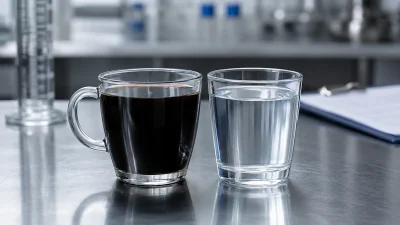
For years I assumed the coffee itself was dehydrating me, so I treated my third cup as both the problem and the cure. The science says I was wrong on the first count. Moderate coffee, up to around three or four cups a day, does not meaningfully dehydrate healthy adults. A cup of coffee is mostly water, and regular drinkers build a tolerance to caffeine's mild diuretic effect, so your daily brew actually counts toward your fluid intake rather than against it.
So coffee was not draining my tank. But it was doing something sneakier. That third cup masked the real signal my body was sending, papered over the slump with stimulation, and stacked jitter and a later comedown on top of a crash that had nothing to do with caffeine in the first place. I was managing a symptom and ignoring the cause. The cause, more often than not, was that I had been awake for seven hours and had taken in almost no water and zero minerals since breakfast.
Sometimes, yes. If you are simply behind on fluids, a tall glass of plain water at two in the afternoon can take the edge off the slump within twenty minutes. I am not here to talk anyone out of water. It is the foundation, and most people genuinely do not drink enough of it during the workday.
But plain water has a limit, and it is worth understanding. Water on its own moves through you quickly, and when you are actually depleted, gulping a large volume of unsalted water can flush out minerals rather than help your cells hold onto fluid. Your body does not just need water in the bloodstream, it needs the right balance of sodium and potassium to pull that water into your cells where the work gets done. Without enough of those minerals, you can drink a full bottle and still feel oddly flat. That gap between drinking water and actually using it is exactly the space the hydration industry has rushed to fill.
Do Electrolyte Packets Actually Work?
Here is the honest, data-aware answer, because you deserve better than a marketing slogan. Electrolyte packets can absolutely work, but not the way the ads imply, and not for every glass of water you drink.
The real science traces back to oral rehydration therapy, the World Health Organization formula that uses a precise ratio of sodium and a small amount of glucose to fast-track fluid absorption in the small intestine. Sodium and glucose are absorbed together, and water follows them across the gut wall, which is why that combination outperforms plain water when you are genuinely depleted. Most modern packets are built on a watered-down version of that same principle.
The nuance the labels skip is this. Studies using the Beverage Hydration Index found that adding electrolytes alone, in the modest amounts typical of many flavored sports drinks, did not consistently improve fluid retention over plain water. The beverages that reliably kept more fluid on board were the ones with meaningfully higher sodium, in the range of medical rehydration solutions, often paired with a little carbohydrate. In plain English, a lightly salted, sugar-dusted flavored water is mostly a nicer way to drink water. A properly dosed formula, used when you are actually short on fluid and minerals, does more. The packet is a tool, not a daily multivitamin for your water bottle.
So when do they earn their place? When you have been sweating, when it is hot, when you slept badly, after a few drinks the night before, or on those long high-output days when you forgot to drink anything for hours. For a healthy person sipping steadily through an easy day, food and water already cover it. If you want the full breakdown of when minerals genuinely matter for training and recovery versus when water is plenty, I dug into that in detail in our deeper guide on electrolytes versus plain water.
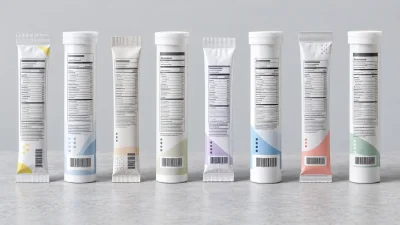
Once I understood the mechanism, choosing a product stopped being about flavor and influencer hype. I started reading labels for three things. First, the sodium. If a packet is selling itself on hydration but carries only a token amount of sodium, it is closer to flavored water than a rehydration tool. Second, a small amount of glucose or sugar is not the enemy here, it is part of how sodium pulls water across your gut, so the militantly sugar-free options are not automatically superior for absorption. Third, the supporting minerals, especially potassium and magnesium, which round out the balance your cells use to actually deploy the water.
Magnesium deserves a quick flag, because the form matters as much as the dose, and cheap packets often use a version your body barely absorbs. If you are the type who reads ingredient lists closely, our partners at Natural Active Care break down which forms are worth your money in their guide to choosing the right magnesium. One real caution before you load up on sodium daily: if you have high blood pressure, more salt is not a casual decision, and that is a conversation to have with your doctor rather than a TikTok hydration trend.
Here is what replaced the panic-coffee. I front-load water in the morning so I am not playing catch-up by noon. I eat a lunch with real protein and fiber instead of a fast carbohydrate that guarantees a 3 PM afternoon crash. Around one o'clock, ahead of the dip rather than after it, I drink a glass of water with a properly dosed electrolyte mix on the heavier days, plain water on the light ones. Then I get up and walk for ten minutes, because circulation does for my brain what no powder can.
The coffee did not disappear from my life. It just got demoted from emergency crutch to morning ritual. And the afternoon, which used to be a wall I threw caffeine at, became workable again. If you want to understand exactly why hydration hits your concentration this hard, the cognitive side of the story is its own rabbit hole, and I mapped it out in our piece on hydration and mental clarity. Fix the inputs, time them around your biology, and you stop white-knuckling your way to five o'clock. Your focus is not broken. It is probably just thirsty.