Somewhere around the fourth reminder notification of the day, most people who dislike water reach the same conclusion: they are simply not built for this. It is not a discipline problem. Plain water, to a real percentage of the population, tastes like nothing, feels like a chore, and competes badly against coffee, soda, or anything with flavor attached to it. The good news is that hydration was never supposed to depend on liking the taste of tap water in the first place. The body pulls fluid from food, from flavored and caffeinated drinks, and from a dozen small routines that never require choking down a warm glass of nothing. The National Academies of Sciences, Engineering, and Medicine puts adequate total fluid intake at roughly 15.5 cups a day for men and 11.5 cups for women, and about one fifth of that typically comes from food rather than a cup or bottle at all. Building better hydration habits is less about forcing more plain water down and more about widening the list of things that count.
Let Food Do Some of the Work
Water-dense produce is the most underused tool in the entire hydration conversation, mostly because it does not look like a hydration tool. Cucumber is about 95 to 96 percent water by weight, which means a handful of cold cucumber slices is functionally closer to drinking water than most people realize. Watermelon runs close behind at roughly 92 percent, and strawberries, cantaloupe, zucchini, and tomatoes all land in a similar range. The advantage over a glass of water is that these foods arrive with potassium, magnesium, and fiber attached, so the fluid gets absorbed more slowly and tends to stick around longer instead of passing straight through. A snack plate of cucumber, orange slices, and cherry tomatoes at your desk accomplishes more for daily hydration than a lot of people assume, and it never requires enjoying the taste of water itself. For a deeper look at just how far water-rich foods can carry a person's daily fluid needs, H2Goals broke down the full science in Stop Drinking Your Water. Start Eating It., which is worth a read if produce sounds like a better fit than another bottle.
Make the Water Taste Like Something
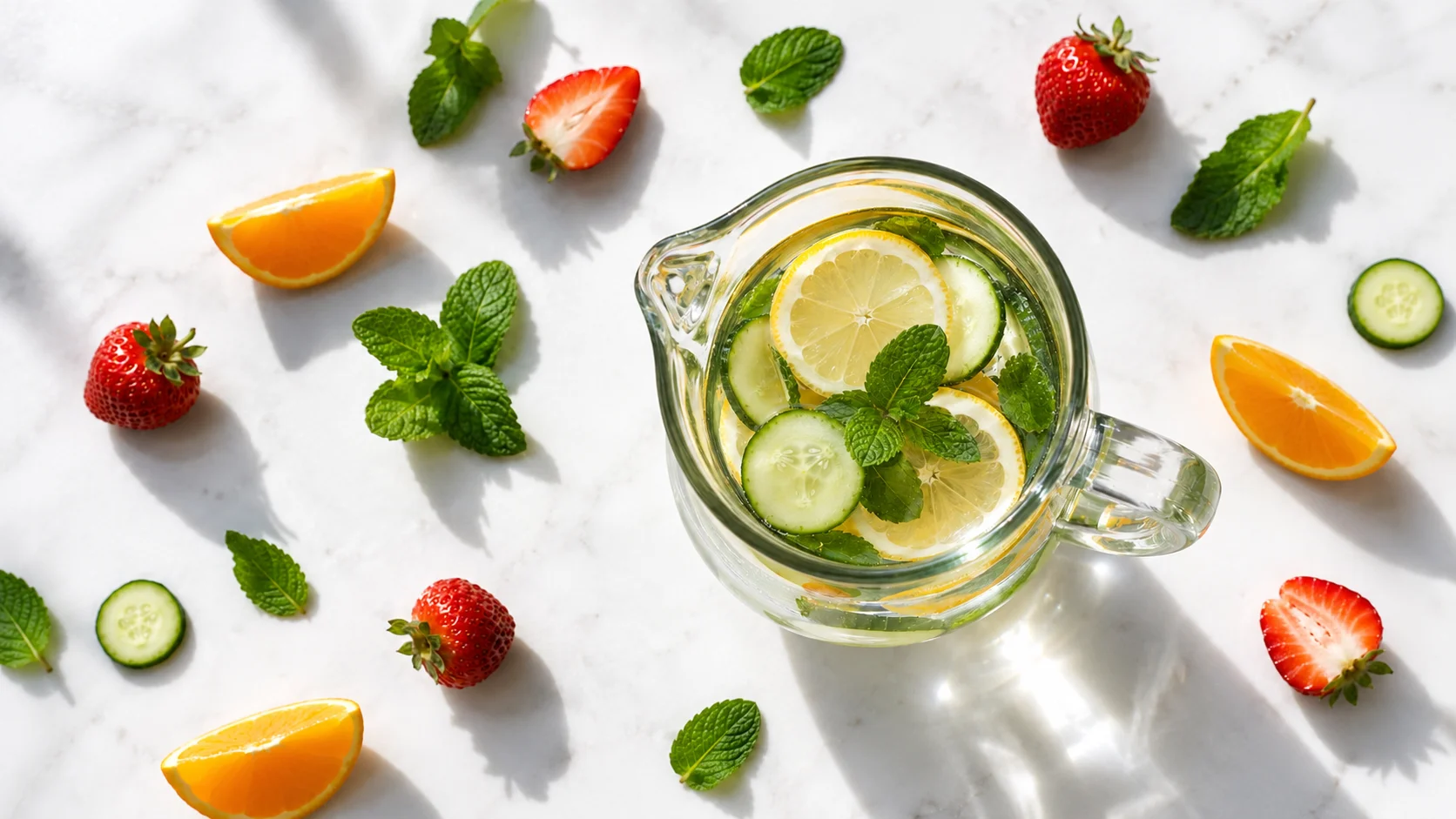
For a genuine water-hater, flavor is not a luxury, it is the entire mechanism that gets the liquid consumed at all. Sliced citrus, muddled berries, cucumber ribbons, or a few mint leaves dropped into a pitcher turn plain water into flavored water that changes the sensory experience enough that many people who claim to hate water will drink a full glass of it without complaint, because it no longer tastes like water. Sparkling water is another underrated entry point, since the carbonation itself reads as more interesting to the brain than still water, even without added flavor. A splash of 100 percent juice, unsweetened iced tea, or an electrolyte packet with minimal sugar can also make the difference between a bottle that sits untouched on a desk all day and one that actually gets finished. The goal is not to trick anyone into drinking something they hate. It is to stop asking a person with a genuine taste aversion to survive on the exact thing they cannot stand.
Build a Bottle Routine You Do Not Have to Think About
The people who stay hydrated without trying usually are not more disciplined, they have just removed the decision entirely. A consistent bottle routine means picking one bottle, keeping it visible, and refilling it at the same two or three points in the day rather than deciding fresh each time whether to bother. A bottle on the nightstand that gets refilled and moved to the kitchen counter each morning, a second one that lives in a bag or on a desk, and a third stashed in the car covers most of a normal day without requiring any real thought once the pattern is set. Visibility matters more than most people expect. A bottle out of sight is a bottle that does not get touched, and a full one sitting in direct line of sight tends to get finished simply because it is there.
Attach It to Something You Already Do
Habit stacking, the practice of attaching a new behavior to an existing one instead of trying to remember it cold, works especially well for hydration because the trigger points are already built into a normal day. Drinking a full glass before the first cup of coffee, refilling the bottle every time you stand up from a desk, or finishing a set amount before opening a lunch app all use an action that is already automatic as the reminder for the one that is not. This kind of pairing removes the willpower requirement almost entirely, since the existing habit does the reminding instead of a person's memory. SupportNAC's recent piece on The Summer Wellness Reset leans on the same principle across sleep, movement, and hydration together, and the overlap is not a coincidence. Habits that get stacked onto an existing routine tend to survive far longer than ones that rely on remembering to do them.
Let a Reminder Do the Remembering
For anyone who has tried and failed to simply remember to drink more, an external nudge solves a problem that willpower cannot. A basic phone alarm set for a few points during the day works, but purpose-built hydration reminders and tracking apps have gotten considerably better at pattern recognition, nudging based on activity level, time since the last log, and even weather rather than firing on a flat schedule that ignores context. Wearable hydration tracking is still an emerging category with real limits, and H2Goals covered exactly where that technology stands in Hydration Wearables Are Coming: Can Tech Really Tell When You're Dehydrated?. Even a simple, unglamorous reminder app does most of the job for someone who just needs the nudge rather than the biometric detail.
What About the Coffee
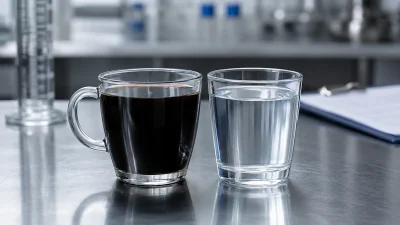
The idea that caffeine cancels out hydration is one of the most persistent myths in wellness content, and it has not held up well under real study. A frequently cited 2014 trial from the University of Birmingham, published in PLOS ONE, tracked regular coffee drinkers across a full day of coffee versus a full day of water and found no meaningful difference in hydration markers between the two. Caffeine does have a mild diuretic effect, but the fluid volume in a normal cup more than offsets it, and the effect shrinks further in people who drink caffeine regularly, since the body adapts to it within days. For most healthy adults, moderate intake in the range of three to four cups a day, or up to about 400 milligrams of caffeine, contributes to daily fluid totals rather than working against them. The practical takeaway on caffeine and hydration is straightforward: your morning coffee counts, and there is no need to force down an extra glass of water to make up for a habit that was never actually costing you anything.
The Real Goal Is Total Fluid, Not a Glass Count
None of this works as a single trick, and that is the point. Someone who dislikes water outright does not need to force down eight glasses of something they cannot stand. They need a mix of water-dense food, a drink or two they actually enjoy, a bottle routine that removes the daily decision, a habit stack that borrows momentum from something already automatic, a reminder system that replaces memory, and the reassurance that their coffee is not secretly undoing all of it. Add those pieces together and a person can land well within a healthy daily water intake range without ever finishing a plain glass of room-temperature water they were dreading. Watch for the usual dehydration symptoms, fatigue, headache, and dark urine chief among them, as the honest check on whether the combined approach is actually working, rather than counting ounces of plain water as if it were the only number that mattered.