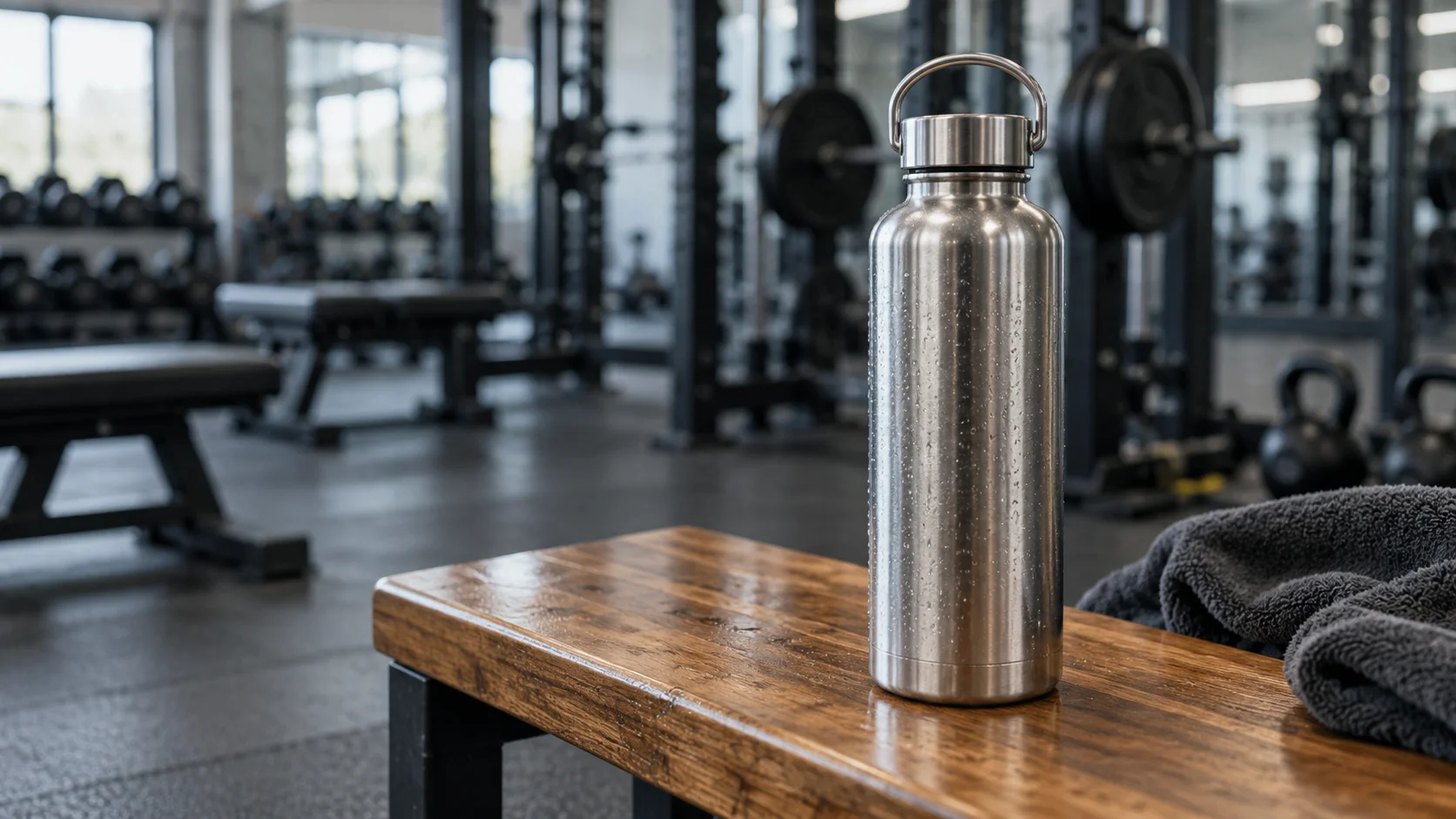
For eight and a half years, from June 2016 through December 2024, Stanley sold Switchback and Trigger Action travel mugs for between $20 and $50. Then, on December 12, 2024, the company and the U.S. Consumer Product Safety Commission announced a recall of about 2.6 million of them. The problem had nothing to do with the double-walled steel that people buy Stanley for. According to the federal recall notice, "These mug's lid threads can shrink when exposed to heat and torque, causing the lid to detach during use." Stanley had received 91 reports worldwide, 16 of them in the United States.
That recall, and three others filed since, form a useful buying guide for anyone choosing the bottle they will carry every day. The vessel rarely fails. The parts bolted to it do, and they are the parts a shopper should judge first.
This Reviews and Shop guide reads the federal recall record the way a product tester would, then turns it into a short list of features worth paying for and features worth skipping.
Where Bottles Fail
The Lid
Stanley's mugs show how a lid can fail without any defect in the bottle beneath it. The notice names the two forces at work, heat from the drink and torque from screwing the lid on and off, both of which every travel mug meets daily. The remedy was a free replacement lid, which is itself a lesson: a bottle whose lid can be bought separately can be repaired, while a bottle with a lid that cannot be replaced becomes trash the day the threads go.
The Handle
On December 4, 2025, HydroJug recalled about 17,000 of its 14-ounce children's sport tumblers, sold from May through June 2025 for about $25. The CPSC notice says "The rivets on the handle can come loose, causing the handle to detach, posing a choking hazard for children." HydroJug had received 656 reports of loose rivets, with no injuries, and offered a free replacement lid. The count is striking for a product sold over roughly two months, and it points at the hinge points, rivets and carry loops that most shoppers never inspect.
The Straw
Straws invite more sipping, which is part of their appeal for people trying to drink more through the day. They also add a part that goes in the mouth. On October 31, 2024, HALO recalled about 60,000 tumblers sold at Wawa stores in August 2024 because "The metal straw inside the tumbler can cut your mouth and/or fingers." The firm received four reports, all with laceration injuries to the hand or mouth, and offered a silicone replacement straw.
The Gadgets
Light-up and smart bottles add batteries, and batteries are the most serious hazard in this category for families with young children. On March 19, 2026, Lifetime Brands recalled about 75,700 BUILT LUUM light-up tumblers sold at Kroger, Hy-Vee, Meijer, Nordstrom Rack and Winn-Dixie for $10 to $15, because the tumblers "can break, making the button cell batteries accessible to children." The company had one report of a child getting the battery into their mouth, with no injuries reported, and offered a full refund.
The Lead Question
Stanley's other headline, from early 2024, concerned lead rather than lids. The company confirmed in a support statement that it uses "an industry standard pellet to seal the vacuum insulation at the base of our products," and that the sealing material includes some lead. Once sealed, the area is covered with a stainless steel layer, and Stanley states that no lead is present on any surface that touches the user or the contents.
The practical takeaway reaches beyond one brand, since Stanley describes the pellet as an industry standard for vacuum-insulated bottles. The seal sits under a cap on the outside of the base, away from the water. If that cap ever comes off and exposes the seal, Stanley says the product is covered by its lifetime warranty, and the sensible move with any brand is to retire the bottle and claim the replacement. A dented or cracked base is a reason to look closely, especially in a household with small children who chew on things.
What to Look For When You Buy
Start with the body material. Food-grade stainless steel, commonly sold as 18/8 or 304, is durable, does not hold flavors the way some plastics do, and handles hot and cold drinks. Glass is inert and easy to inspect but breaks, and it usually needs a sleeve. Plastic bottles are lighter and cheaper, and readers weighing them against steel can find our earlier reporting on microplastics and drinking water useful context.
The best lids for daily hydration have few parts, come apart fully for cleaning, survive the top rack of a dishwasher according to the maker, and are sold separately as spares. A lid with a hidden spring, a fixed internal straw channel or a seal that cannot be removed will trap residue, and it becomes the part that cracks, leaks or loosens first. Shoppers who buy for a straw should favor a silicone or plastic straw that can be removed and replaced, and should check whether the maker sells cleaning brushes sized to it.
Weigh carry hardware next. Rivets, hinges and fold-down handles are convenient, and they are also exactly where the HydroJug recall began. A bottle with a handle molded into the lid, or a simple loop with no metal fasteners, has fewer ways to come apart.
Finally, ask whether a battery earns its place. Light-up features, reminder chimes and app-connected caps add cost and add the one hazard on this list that can cause internal injury if swallowed. Adults who want hydration reminders can get them from a phone, and children's bottles are better off with no electronics at all.
Check Before You Buy, Register After
Two habits cost nothing. Before buying, search the CPSC recall database at cpsc.gov for the brand and model, which takes under a minute. After buying, register the product with the maker, since recall remedies such as replacement lids reach registered owners first.
Inspect a daily bottle the way you would a pair of running shoes. Look for cracks around the threads, a lid that spins without tightening, wobbling handles, a straw with a sharp or split end and a base cap that has shifted. Any one of those is a reason to replace the part or the bottle.
The Bottle That Gets Used
The best hydration bottle is the one a person refills without thinking about it, and that is the part no recall notice can measure. Size matters here, with a bottle large enough to cover a morning or an afternoon cutting the number of refills, and a mouth wide enough for ice and a brush making cleaning less of a chore. People who struggle to drink enough will find more strategies in our guide to hydration habits for people who hate drinking water.
Across the four recalls here, the stainless steel bodies, the vacuum walls and the plastic tumblers themselves held up. The failures sat in threads, rivets, straws and batteries, and in every case the fix was a new lid, a new straw or a refund. A shopper who chooses the simplest lid that does the job, with spare parts on sale and no battery inside, has already avoided most of the problems in the federal record.