
The runner two treadmills over from you finishes an hour in the heat with a shirt you could wring out. You finish the same hour barely damp, salt crusted white at your temples. Same room, same workout, same brand of electrolyte packet stirred into the same bottle. One of you is fine. One of you is going to feel wrecked by dinner, dizzy and heavy legged, and neither of you will connect it to the drink.
The reason is dull and it is decisive. Bodies do not sweat the same way. Not even close. This July made that impossible to ignore.
If you want hydration to actually work, stop copying other people's numbers. How much fluid you lose per hour, and how much salt rides out in it, are close to fixed traits, and they can differ from the person next to you by a margin most people would not believe. Build a personalized hydration plan around your own losses, replace fluid and sodium in rough proportion to what you actually give up, and the afternoon crash, the cramps, and the headache mostly disappear.
A summer that put sweat on the schedule
Elite sport spent July fighting the thermometer. Extreme heat across Europe scrambled stages of the Tour de France, and organizers at the summer's biggest tournaments folded mandatory cooling and drinking pauses into play. Writing for the Forbes Technology Council, one specialist pushed the stakes past the stadium, pointing to research that sweat rates can differ up to twentyfold between two people at the same temperature and workload. Twentyfold. That is not a rounding error you can coach away with a generic chart taped to the gym wall. You can read that framing in Forbes here.
The lesson for anyone exercising in extreme heat is not that hydration is complicated. It is that the advice most of us inherited, eight glasses a day, one scoop per bottle, drink when thirsty, was written for an average person who does not exist.
Why the generic scoop fails you
Two variables drive almost everything. The first is volume, how many liters you shed per hour of hard effort. The second is concentration, and this is the sodium lost in sweat that ranges from lightly seasoned to genuinely briny. A heavy, salty sweater in humidity can lose well over a liter and more than a gram of sodium in sixty minutes. A light sweater beside them might lose a third of that. Pour the same packet into both bottles and you have solved the problem for neither.
Thirst will not rescue you either. By the time you feel it, you are already down a step, and in heat the gap widens fast. The classic signs of dehydration, the dull headache, the legs that feel like they belong to someone heavier, the effort that spikes for no reason, tend to arrive after the deficit is set, not while you can still fix it cheaply.
Find your own number
You do not need a lab. A rough sweat rate test takes one workout and a scale. Weigh yourself before a hard hour, note anything you drink during it, then weigh again after, toweled dry. Each pound lost is roughly sixteen ounces of fluid you did not put back, and you add whatever you drank mid session to get your true hourly loss. Do it on a hot day and a cool one, because the number moves with the weather. Once you know it, electrolyte replacement stops being a guess and becomes arithmetic.
Season to taste, literally
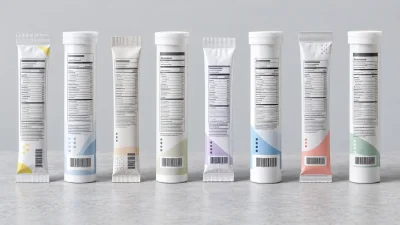
Salt is the part people underdo. If you finish workouts with white streaks on your face or a gritty hat, you run salty, and plain water will chase your sodium lower rather than fix it. That is often the real story behind the person who drinks constantly and still cramps. For them, hydrating before exercise with a sodium containing drink, not just water, primes the system so the first twenty minutes in the heat do not start from a hole. Our own breakdown of where the plain stuff stops being enough gets into where that line sits, in electrolytes versus plain water.
Duration matters too. For efforts under an hour in mild conditions, water is usually plenty and the packet is marketing. Past roughly ninety minutes, or in real heat, the math changes and skipping salt starts to cost you. We walked through that threshold in detail in the ninety minute rule, and the short version is that time and temperature, not vibes, decide when electrolytes earn their place.
The market noticed
Brands can smell a shift, and the product shelf is tilting toward less sugar and cleaner labels. In late July the sports nutrition company Ascent entered hydration with a mix built around eight hundred milligrams of electrolytes and four grams of cane sugar per serving, Informed Sport certified, aimed squarely at buyers who read ingredient panels. You can see the launch details here. Whatever you make of any single brand, the move signals where clean electrolyte drinks are heading, fewer additives, honest sodium, sugar dialed down rather than dumped in.
That is good news, with a catch. A cleaner label still does not know your sweat rate. The best formulated drink in the world is only as smart as the plan you pour it into.
Getting the plan right
Start with the hour you already train. If you know you lose a liter, aim to replace most of it during long or hot sessions and top off after, rather than gulping it all at once, which mostly runs straight through you. Match the salt to how briny you run. And treat recovery after training as part of the same equation, because the fluid and sodium you fail to replace in the first hours after a hot effort follow you into the next day as flat legs and a short fuse.
None of this asks you to carry a spreadsheet to the gym. It asks you to swap someone else's defaults for two numbers that are actually yours. The runner with the wringable shirt and the one barely damp were never running the same race with their fluids. Once you stop pretending they were, hydration goes from a thing you hope about to a thing you control.
You do not have to be an athlete
The same logic reaches the person who never sees a start line. A roofer, a warehouse picker, a parent doing three pickups in ninety degree heat, all sweat on the job and all inherit the same generic advice. If your summer afternoons come with a headache and a crash you blame on lunch, the culprit may be simpler. You have been replacing a salty, high volume loss with plain water and calling it hydration. The fix is the athlete's, scaled down. Know roughly what you lose, put a little sodium back, and stop waiting for thirst to report news your body settled hours ago.
The heat is not going anywhere. Neither is the bad advice. But your body has been handing you the data all along, on your shirt, on your skin, on the scale. Read it, and drink like it is yours.