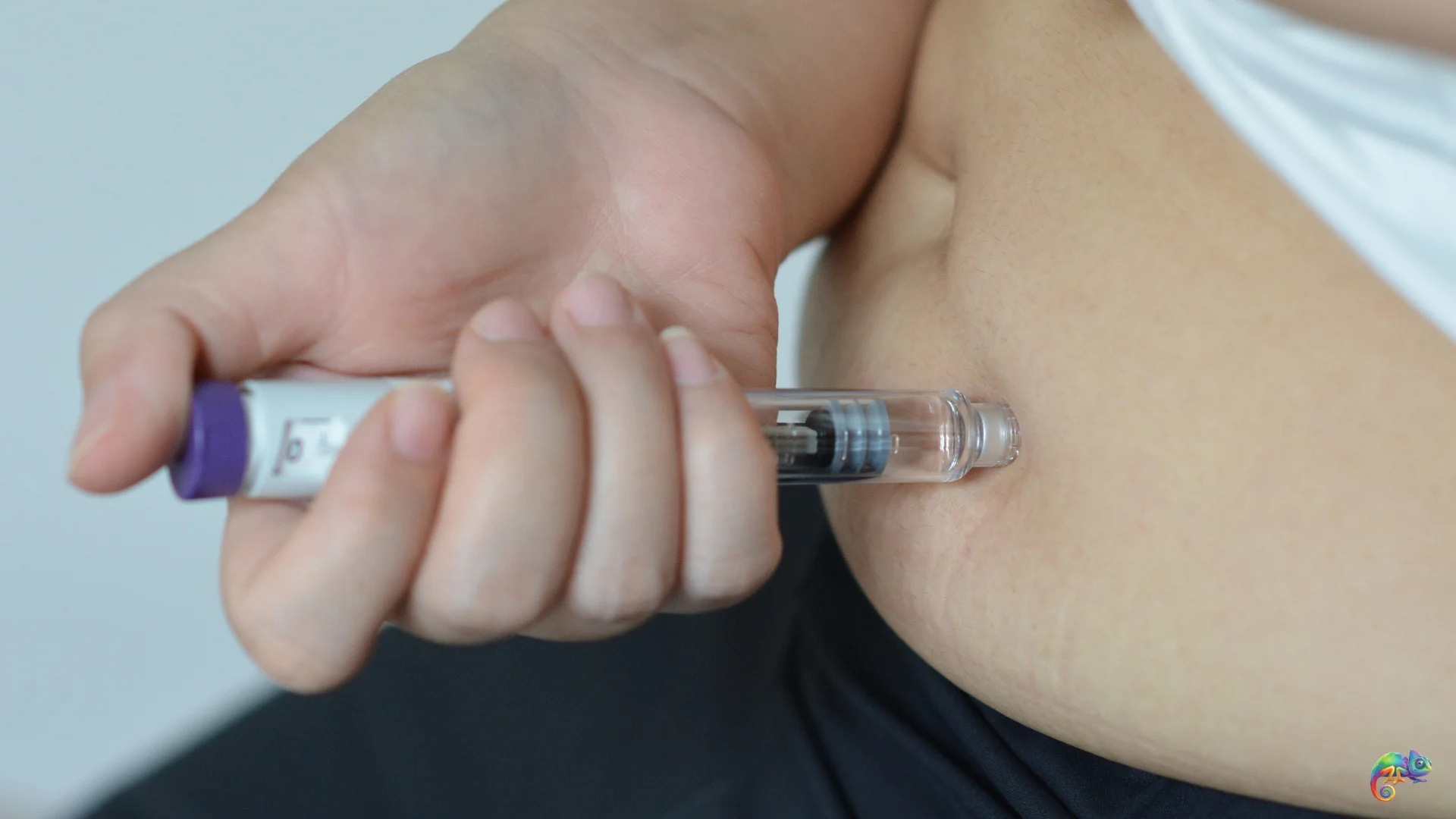
The weight-loss shot carries a quiet side effect that never makes the commercials. It is not nausea, though that shows up too. It is thirst, or rather the slow vanishing of it. Millions of people now take semaglutide and its relatives to lose weight, and a large share of them also run, lift, cycle, and chase a personal best on the weekend. The drugs are doing what they promise. They are also pulling water out of the body in ways most users never see coming, and the people most exposed are the ones sweating through a workout.
Here is the short version for anyone who trains and injects. These medications dull the thirst signal, cut the food that normally carries a fifth of your water, and push extra sodium out through the kidneys. Stack those under a summer sun and you get chronic dehydration hiding inside a routine that used to feel effortless. The repair is not complicated. It does have to be deliberate, because the body's own warning light has been dimmed.
Why the shot dries you out
Start with food. Roughly twenty percent of a normal day's water arrives through what you eat, not what you drink. Fruit, yogurt, rice, soup, a bowl of pasta, all of it comes in wet. GLP-1 medications work by flattening appetite, so people eat far less, and the water riding along with those meals quietly leaves the books. You can keep your drinking habit identical and still slide backward, because an entire column of your daily fluid needs just went missing without a single skipped glass.
Then there is the gut. Clinical tracking puts gastrointestinal trouble, the diarrhea, nausea, and vomiting, at roughly one in nine users. Every one of those exits drains fluid fast, and it drains the minerals dissolved in that fluid at the same time. A rough week of stomach upset can cost more water than a hard training session, and unlike the session, it does not come with a bottle in hand.
The thirst signal goes quiet
The strangest part happens in the brain. GLP-1 drugs act on the hypothalamus, the same control room that governs hunger, and they turn down the volume on thirst along with appetite. For most people that is the point. For an athlete it is a trap. The old advice to simply drink when you feel like it stops working, because the feeling has been muted. You can be a liter down and register nothing. These suppressed thirst cues mean the usual internal check, the dry mouth that tells you to reach for water, arrives late or never.
The cost lands on the body's hardest-working systems. As one sports nutrition team put it, "Dehydration is a heavy hitter when it comes to athletic performance." Blood thickens, the heart works harder to move it, oxygen delivery slips, and the sensation of effort climbs even though the pace has not. A run that felt like a six last month feels like an eight, and the reason is not fitness. It is fluid.
Salt, cramps, and the mineral math
Water is only half the story. GLP-1 medications can increase natriuresis, the kidneys' habit of flushing sodium, which pulls more water out with it and tips your electrolyte balance off center. Sodium, potassium, and magnesium are what let muscles contract and relax on cue. Run them low and the body starts to protest. That is where the muscle cramps come from, the calf that seizes at mile four or the hand that knots during a lift. The cramp is not weakness. It is chemistry, and the sodium loss behind it is often invisible until the moment it stops you cold.
This is why plain water, taken alone in large gulps, can backfire. Flooding a salt-depleted system with unsalted water dilutes what little sodium is left, and the cramps get worse rather than better. The body needs the mineral back, not just the liquid.
What active people on the shot should do
Replace feeling with a schedule. Since thirst can no longer be trusted, hydration becomes a task you check off rather than a sensation you wait for. A practical daily target for many adults sits near 3.7 liters of total fluid, adjusted up for heat and hard training. Front-load it. Drinking 350 to 500 milliliters about two hours before a workout gives the body time to absorb and, if needed, offload the excess before you start. During exercise, small sips every ten to fifteen minutes sit far better than a single heavy pour, which matters more than usual when a queasy stomach is already part of the deal.
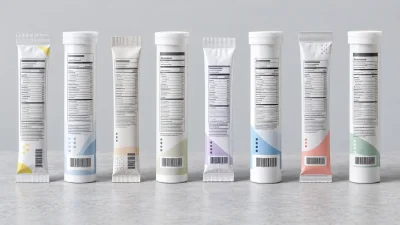
Build the minerals in, especially past the hour mark. Our breakdown of when a workout actually demands electrolytes lays out the threshold, and it moves earlier for anyone on these drugs. Treating GLP-1 hydration as a scheduled task rather than a mood is the whole game, and it pays off twice, once in the session and again in muscle recovery the next morning, when properly hydrated tissue repairs faster and soreness fades sooner.
One more myth worth retiring. If you are drinking steadily and still feel parched or foggy, the problem may not be volume at all. We covered exactly that puzzle in a piece on why you can drink all day and stay thirsty, and on a GLP-1 the mineral gap it describes only gets wider.
Since the usual alarm is muted, learn the backup signals. Urine color still works as a rough gauge, with pale straw the target and anything darker a prompt to drink. Sudden fatigue, a headache that appears mid-session, a heart rate that reads high for an easy effort, and dizziness on standing all point the same direction. Weighing yourself before and after a long workout tells the truth fastest, since most of what the scale drops in an hour of exercise is water that needs to come back before the next session.
Food can do some of the heavy lifting if you let it. Since appetite is down, the meals you do eat should pull double duty, favoring water-rich, mineral-dense options over dry convenience food. Broth-based soups, a handful of olives, yogurt, cucumber, melon, and a light sprinkle of salt on real meals all return fluid and minerals at the same time. It is a gentler fix than choking down another glass of water on a stomach that does not want it, and it quietly closes part of the gap the medication opened.
Heat is the multiplier
Summer turns a manageable risk into a real one. Add August pavement to muted thirst and heavier sodium flushing, and the margin for error shrinks to almost nothing. Public-health warnings have already flagged the pairing of these drugs with extreme heat, and the logic is plain. You sweat out more, you feel it less, and you refill slower because you are eating less. Anyone exercising outdoors on a GLP-1 should treat a hot forecast the way a pilot treats weather, as a reason to change the plan, not to push through it. Move the run to dawn, shorten it, carry more than you think you need, and salt the bottle. Protecting athletic performance in the heat is mostly about refusing to lean on a thirst signal that is no longer telling the truth.
None of this is an argument against the medication. It is an argument for respecting what it changes. The shot rewires the body's fuel and fluid signals, and the smart response is to stop outsourcing hydration to instinct. Put it on the clock, keep the minerals in the mix, and the training keeps working while the number on the scale keeps falling.