
About two years ago, I was that guy. The one walking into the gym with a jug the size of a small fire hydrant, the kind with the little motivational milestones printed on the side. 8 AM: Rise and hydrate. Noon: Halfway there, champion. I was committed. I was disciplined. I was, by every conventional measure, doing everything right.
And yet, every time I laced up for a pickup basketball game on Saturday mornings, somewhere around the third quarter of the second game, my left calf would seize up like it had personal beef with me. Every single time. I was drinking over a gallon of water a day and still cramping, still waking up tired, still hitting that 2 PM wall so hard I could feel it coming like weather. My friends thought I was out of shape. My body knew something different was going on. Turns out, I was not actually hydrated. I was just wet.
That distinction, between being full of water and being genuinely cellular hydrated, changed the way I understood my body. And if you have ever found yourself doing everything the hydration influencers told you to do and still feeling fatigued, bloated, and inexplicably thirsty, this article is written specifically for you.
The "eight glasses a day" recommendation has been around so long that most people assume it came from some definitive medical study. It did not. The origin traces back to a 1945 U.S. Food and Nutrition Board recommendation that suggested roughly 2.5 liters of daily water intake, but that same document noted that most of that quantity was already contained in food. The eight-glasses rule stuck. The second half of the sentence did not.
Electrolytes vs. Plain Water: What Actually Matters For Recovery
The deeper problem is not the number itself. It is the assumption baked into it: that water volume alone is what defines proper hydration. For a sedentary person eating a mineral-rich diet in a moderate climate, eight glasses might genuinely be enough. But for anyone who sweats regularly, exercises with intensity, eats a heavily processed diet, drinks a lot of coffee, or follows a low-carbohydrate eating plan, volume is only part of the story. Sometimes it is not even the most important part.
The reason comes down to a process your biology textbook covered and your gym culture never mentioned: cellular absorption.
Your body is made up of roughly 37 trillion cells. Each one is surrounded by a membrane that controls what gets in and what stays out. Water does not simply flow freely through those membranes based on how much of it exists in your bloodstream. Its movement is governed by a process called osmosis, which is driven almost entirely by the concentration of minerals on either side of the membrane.
This is where sodium, potassium, and magnesium enter the picture. Sodium is the primary mineral that regulates fluid balance outside your cells. Potassium manages fluid balance inside them. Together, they operate what is known as the sodium-potassium pump, a mechanism that quite literally controls whether water is being drawn into your cells or passed through your kidneys and out of your body. When those mineral levels are off, water does not go where your body needs it to go. It goes where gravity and your plumbing take it.
In practical terms, this means you can drink a gallon of plain water and still be experiencing signs of cellular dehydration at the tissue level. Your blood volume may be fine. Your cells may still be starving for fluid. The water was there. The key to the door was not.
Persistent thirst despite adequate water intake is one of the most misunderstood symptoms in everyday health. Most people assume that if they are thirsty, they simply need more water. Sometimes that is true. But chronic thirst that does not resolve with drinking is often your body signaling a mineral imbalance, not a fluid shortage.
Why the First 30 Minutes After You Wake Up Are the Most Important for Hydration
Here is the mechanism. When sodium levels in your bloodstream drop too low, a condition called hyponatremia, your hypothalamus detects the imbalance and triggers the thirst response to try to correct it. The problem is that drinking more plain water without replacing sodium makes the situation worse, not better. You dilute your sodium concentration further, your cells still cannot absorb the water efficiently, and you stay thirsty while simultaneously running to the bathroom every 20 minutes. It is a frustrating loop that a lot of people live in without understanding why.
Magnesium deficiency can compound this further. Magnesium plays a direct role in the function of the sodium-potassium pump. Without adequate magnesium, that pump runs inefficiently regardless of how much sodium and potassium you are consuming. Research suggests that up to 50 percent of the U.S. adult population is deficient in magnesium, largely due to soil depletion, processed food consumption, and chronically high stress levels. If you are eating reasonably well and still experiencing fatigue and dehydration symptoms, low magnesium is a reasonable place to look.
The Four Signs You Are Cellularly Dehydrated
Cellular dehydration does not always look like classic dehydration. You will not necessarily have dark urine or a dry mouth, because your fluid volume can be normal while your cells are still under-hydrated. Instead, look for these four patterns.
Persistent fatigue that sleep does not fix
Your mitochondria, the energy-producing structures inside each cell, require adequate intracellular water and magnesium to generate ATP, the molecule your body runs on. When your cells are dehydrated, energy production slows at the most fundamental level. This is not the tired that a nap resolves. It is a deeper, systemic flatness that tends to persist across the day regardless of how much rest you get. If this sounds familiar, intracellular hydration should be part of your investigation.
Muscle cramps during or after exercise
Muscle cramps are a classic signal of electrolyte imbalance, specifically low sodium, potassium, or magnesium. The muscle fiber contracts but lacks the mineral signaling needed to release cleanly. For anyone who exercises regularly and experiences cramping despite drinking plenty of water, this is almost never a water volume problem. It is a mineral delivery problem. My Saturday basketball calf cramps had nothing to do with not drinking enough. They had everything to do with the fact that I was flushing minerals out through sweat and replacing them with nothing but more plain water.
Bloating and water retention
This one tends to surprise people. When your sodium levels are chronically low and your body senses a potential fluid deficit, it activates hormonal mechanisms, particularly aldosterone, that signal your kidneys to hold onto as much water as possible. The result is that puffy, heavy feeling in your hands, face, and midsection. Ironically, this water retention is often a symptom of not having enough of the right electrolyte balance, not too much water. Your body is hoarding because it does not trust its supply.
Brain fog and poor concentration
Your brain is approximately 75 percent water, and it is exquisitely sensitive to even minor changes in hydration status. But here again, what the brain needs is not just volume. Neuronal function depends on precise sodium and potassium gradients across cell membranes. When those gradients are disrupted, cognitive processing slows. You might experience difficulty concentrating, slower reaction times, or a general sense of mental muddiness. Reaching for another glass of plain water rarely solves it quickly. Adding electrolytes often does.
How to Actually Fix It
The good news is that correcting cellular hydration is not complicated or expensive. It requires shifting your mindset from chasing a water volume goal to actively managing your mineral intake alongside your fluid intake.
Start by adding a small amount of high-quality salt to your morning water. Not table salt, which is heavily processed and stripped of trace minerals, but sea salt or Himalayan pink salt, which retain a broader mineral profile. A quarter teaspoon in 16 to 20 ounces of water in the morning addresses your overnight sodium deficit and primes your sodium-potassium pump before you eat or drink anything else.
Prioritize potassium-rich foods throughout the day. Avocados, bananas, sweet potatoes, leafy greens, and legumes are all excellent sources. Most adults consume far less potassium than the recommended 3,500 to 4,700 milligrams per day, which means the intracellular side of the hydration equation is chronically underpowered for a large portion of the population.
Consider a magnesium supplement, particularly magnesium glycinate or magnesium malate, which are the most bioavailable forms and the gentlest on digestion. Taking 200 to 400 milligrams in the evening supports both overnight cellular repair and the efficiency of your sodium-potassium pump throughout the following day. Many people report noticeably improved sleep quality and reduced muscle soreness within the first two weeks of consistent magnesium supplementation.
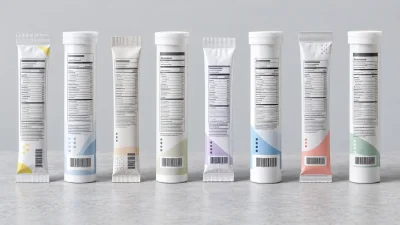
Finally, if you train at moderate to high intensity or sweat heavily, consider a clean electrolyte product taken during or immediately after your session rather than relying on water alone to recover. Look for products with meaningful sodium content (500 milligrams or more per serving), added potassium, and ideally magnesium, with little to no added sugar.
None of this means drinking a lot of water is wrong. Adequate fluid volume is still the foundation. The gallon jug crowd has the right instinct and the wrong execution. Staying well-hydrated in terms of total fluid intake is genuinely important for kidney function, skin health, digestion, and dozens of other physiological processes. The goal is not to drink less. It is to make what you drink actually work.
Think of it this way. Water is the vehicle. Electrolytes are the fuel that makes the engine run. A car full of gas with no spark does not go anywhere. A body full of water with no minerals does not hydrate at the cellular level. Both inputs are necessary. The ratio between them, matched to what your body is actually doing on any given day, is where the real work happens.
If you are drinking plenty of water and still feeling tired, crampy, bloated, or persistently thirsty, the water is not the problem and it is probably not the solution either. Your body is telling you something more specific: it needs the minerals that allow water to do its job at the cellular level.
Sodium, potassium, and magnesium are not supplements for elite athletes. They are basic requirements for anyone whose body sweats, moves, thinks, and recovers. Getting that mineral balance right costs very little, takes almost no time to implement, and can change the way you feel within days. I know, because I stopped carrying the jug, started paying attention to what was actually in my water, and have not had a calf cramp on a Saturday morning since.