
You hit the alarm, reach for your phone, and maybe stumble toward the coffee maker. But there is one thing your body is doing before you even take your first step that most people completely ignore: it is running on empty. After six to nine hours without a single sip of water, your body wakes up in a state of mild dehydration every single morning. What you do in the next 30 minutes either sets you up for a high-performance day or quietly sabotages it before it begins.
This is not about drinking eight glasses a day or memorizing hydration formulas. This is about understanding a small but powerful window of time that your body gives you each morning, and knowing exactly how to use it.
What Actually Happens to Your Body Overnight
While you sleep, your body is far from idle. It is repairing muscle tissue, consolidating memory, regulating hormones, and filtering waste products through your kidneys and lymphatic system. All of that biological work requires water, and none of it is being replenished while you are unconscious.
On top of that, your body loses water through respiration and perspiration throughout the night. Studies suggest that the average adult loses between one and two pounds of water weight overnight, primarily through breathing and skin evaporation. That translates to somewhere between 16 and 32 ounces of fluid gone before your alarm goes off.
The result is a body that wakes up with reduced blood volume, elevated cortisol levels, and a brain that is already operating slightly below its peak. The sensation most people interpret as morning grogginess or sluggishness is often not about sleep quality at all. It is dehydration.
The Cortisol Connection: Why Timing Matters
Here is where the science gets interesting. Between roughly 6:00 a.m. and 8:00 a.m. (depending on your sleep schedule), your body experiences a natural spike in cortisol, the hormone that regulates wakefulness, metabolism, and your stress response. This is known as the Cortisol Awakening Response, or CAR, and it is one of the most significant hormonal events of your day.
Alkaline vs. Distilled Water: When to Use Which and Why It Actually Matters
Cortisol naturally draws water into your cells and tissues as it activates your body's systems. But if your fluid stores are already low, this process becomes less efficient. You end up with a cortisol spike that is working harder than it needs to, which can translate into that anxious, on-edge feeling some people experience first thing in the morning. Proper morning hydration essentially gives your cortisol response the raw material it needs to work cleanly, setting a calmer, more focused tone for the rest of the day.
Research published in journals like the Journal of Nutrition has linked even mild dehydration, defined as a fluid loss of just one to two percent of body weight, to increased feelings of tension, fatigue, and reduced cognitive performance. In the morning, when your baseline fluid level is already depleted, you are likely starting closer to that threshold than you realize.
The 5-Step Morning Hydration Protocol
You do not need a complicated regimen to fix this. What you need is a repeatable hydration ritual that you can execute in the same 30-minute window every morning. Here is what that looks like.
Step 1: Drink water before coffee
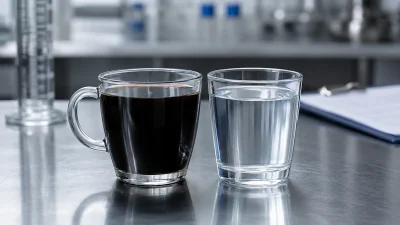
Caffeine is a mild diuretic, which means it signals your kidneys to release more fluid. When you drink coffee as your very first act of the morning, you are accelerating fluid loss before you have replaced what was lost overnight. The simple fix is to drink a full glass of water, ideally 16 ounces, before you touch your coffee mug. This one change alone has a measurable impact on how you feel within the first hour of your day.
Step 2: Add a pinch of mineral-rich salt or an electrolyte supplement
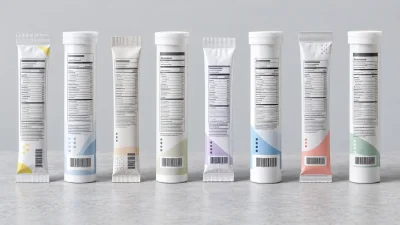
Plain water hydrates, but electrolyte-enhanced water hydrates smarter. When you wake up, your sodium levels are relatively low, which affects how efficiently your cells actually absorb water. A small amount of high-quality sea salt, Himalayan salt, or a clean electrolyte powder added to your morning water dramatically improves cellular absorption. This is not about sports drinks or sugary recovery beverages. A clean, low-sugar electrolyte source is all you need.
Step 3: Use room temperature water, not cold
Cold water is refreshing, but your digestive system is not fully awake yet. Room temperature or slightly warm water is gentler on your gut and is absorbed more quickly in the morning. Some practitioners also recommend warm lemon water, which offers the added benefit of supporting liver function and providing a small dose of vitamin C to activate your immune system for the day ahead.
Step 4: Aim for 20 to 32 ounces within the first 30 minutes
You are not trying to drink your entire daily water goal in the first half hour. You are trying to replace what was lost during sleep. For most adults, that means somewhere between 20 and 32 ounces consumed gradually in the first 30 minutes after waking. If that feels like a lot, start with 16 ounces and build from there. Consistency matters more than quantity when you are establishing a new habit.
Step 5: Eat your first meal after you have hydrated
Many people eat breakfast first and drink water second, or not at all. But food digestion requires significant fluid resources. If you eat before you hydrate, your body has to divert water it does not really have toward the digestive process, leaving your brain and muscles even shorter on what they need. Hydrate first. Eat second. Your digestion will be more efficient, and you will likely notice you feel fuller and more satisfied from your meal.
How This Affects Your Energy, Focus, and Performance
The downstream effects of morning hydration are not subtle. Within about 20 minutes of drinking a significant amount of water, your metabolic rate gets a measurable boost. A study published in the Journal of Clinical Endocrinology and Metabolism found that drinking approximately 17 ounces of water increased metabolic rate by roughly 30 percent in healthy adults, with the effect lasting up to 40 minutes.
From an athletic and performance standpoint, starting your day adequately hydrated means your muscles are primed for activity, your joints have proper lubrication, and your cardiovascular system can regulate temperature more efficiently during workouts. If you train in the morning, this is especially critical. A dehydrated pre-workout state significantly reduces strength output, aerobic capacity, and coordination, even before you feel thirsty.
Cognitively, proper morning hydration supports faster information processing, better short-term memory recall, and improved mood stability. These are not marginal effects. For anyone whose mornings involve meetings, creative work, or high-stakes decisions, they represent a genuine competitive edge.
Building the Habit: Making It Stick
The most effective way to build any new habit is to attach it to something you already do automatically. Your morning alarm is the perfect anchor. Place a 32-ounce water bottle on your nightstand the night before. The moment the alarm goes off, the bottle is the first thing you see. Start drinking before you even get out of bed.
Another approach is to tie hydration to your existing morning triggers. If you already make coffee every morning without fail, just add water as the mandatory first step of your coffee routine. The water bottle goes on the counter before the coffee grounds go in the machine. Over time, the sequence becomes automatic.
Tracking can also accelerate habit formation. Whether you use a hydration app, a marked water bottle, or simply a tally in your notes app, seeing your morning progress creates a reinforcement loop that makes the habit more durable. Many people are surprised to find that once they have been consistent for two or three weeks, they actually start to feel off on mornings when they skip their water protocol.
The Takeaway
Your body is remarkable at telling you what it needs, but thirst is a lagging indicator. By the time you feel thirsty, you are already behind. The 30-minute window after you wake up is your daily opportunity to get ahead of that deficit, set your cortisol response on the right track, and give your brain and body the fuel they need to perform.
You do not need a supplement stack or an expensive routine. You need water, consistency, and timing. The protocol above is simple enough to start today and powerful enough to change how you feel every morning going forward. Your best performance day does not start at the gym or at your desk. It starts the moment you open your eyes.